Plastic and polystyrene ‘top of the drops’ at beach clean-up
Plastic and polystyrene were found to be the worst pollutants at an Ovingdean beach clean by UK Power Networks’ volunteers and Sussex Wildlife Trust.
Out of nearly 1,600 items of litter picked up by volunteers, 75% was plastic or polystyrene including bags, bottles, lids, cups, cigarette stubs and tangled fishing nets.
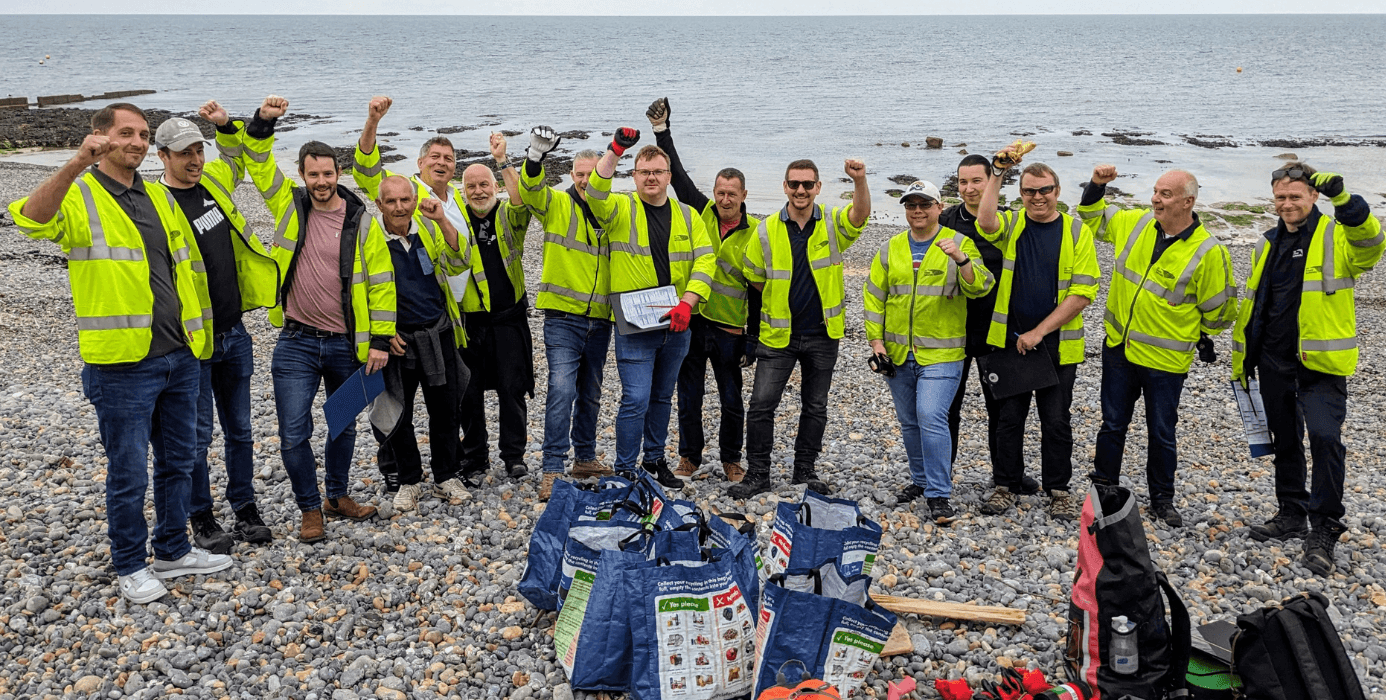
The team filled eight bags with rubbish from a 100-metre section of beach, weighing over 25kg, the approximate weight of an eight-year-old child.
The beach clean was part of a survey with the Marine Conservation Society which helps track litter back to its source to drive positive change for beaches and sealife.
Peter Riste, a lead engineer at UK Power Networks, led the 15 volunteers who normally work on power network improvements across the South East. He said: “I started litter picking with my family after my children learnt about plastic pollution at school and asked how they could help the environment. They now have their own litter pickers and enjoy using them on walks in the local area. We don’t like littering and always take our beach litter home. I hope others can be encouraged to do the same.
“A lot of debris in the sea ends up on Ovingdean beach. There has been a drop in plastic bag waste since the ban on single use plastic bags and that’s making a difference, but they see a lot of fish netting, which gets tangled in wildlife and birds.”
The team cleaned the beach through UK Power Networks’ Donate a Day volunteering scheme. Peter explains: “The company enables us to give time back to the community, support a variety of charities and use our skills to help others. Volunteering goes beyond just providing electricity, to doing something positive for our customers, and it’s also great for teamwork.”
Marine conservationist, Ella Garrud, from Sussex Wildlife Trust, said: “Plastics that wash up from the ocean onto the strandline continue to pose a threat to marine life. This is why it's so important to do a beach clean every time you visit a beach. Thank you to the UK Power Networks volunteers for helping to make a difference."
Published 24/07/2024
Out of nearly 1,600 items of litter picked up by volunteers, 75% was plastic or polystyrene including bags, bottles, lids, cups, cigarette stubs and tangled fishing nets.
The team filled eight bags with rubbish from a 100-metre section of beach, weighing over 25kg, the approximate weight of an eight-year-old child.
The beach clean was part of a survey with the Marine Conservation Society which helps track litter back to its source to drive positive change for beaches and sealife.
Peter Riste, a lead engineer at UK Power Networks, led the 15 volunteers who normally work on power network improvements across the South East. He said: “I started litter picking with my family after my children learnt about plastic pollution at school and asked how they could help the environment. They now have their own litter pickers and enjoy using them on walks in the local area. We don’t like littering and always take our beach litter home. I hope others can be encouraged to do the same.
“A lot of debris in the sea ends up on Ovingdean beach. There has been a drop in plastic bag waste since the ban on single use plastic bags and that’s making a difference, but they see a lot of fish netting, which gets tangled in wildlife and birds.”
The team cleaned the beach through UK Power Networks’ Donate a Day volunteering scheme. Peter explains: “The company enables us to give time back to the community, support a variety of charities and use our skills to help others. Volunteering goes beyond just providing electricity, to doing something positive for our customers, and it’s also great for teamwork.”
Marine conservationist, Ella Garrud, from Sussex Wildlife Trust, said: “Plastics that wash up from the ocean onto the strandline continue to pose a threat to marine life. This is why it's so important to do a beach clean every time you visit a beach. Thank you to the UK Power Networks volunteers for helping to make a difference."
Published 24/07/2024