UK Power Networks unlocking energy savings for social housing tenants
A new initiative from UK Power Networks could help people living in social housing get even more out of energy efficiency measures being retrofitted in their homes.
Across the UK, social landlords such as local authorities or housing associations, are undertaking large-scale energy efficiency retrofits, such as insulation upgrades and smart heating systems. This will help reduce energy consumption and improve the comfort of residents’ homes.
Flex Direct, an innovative new project, builds on this momentum by introducing a way to use retrofits to provide flexibility to the energy network, bringing in additional income that could benefit both landlords and residents.
Flex Direct aims to open up the energy flexibility market to social housing landlords. This new commercial model incentivises social landlords to reduce their properties’ energy use during peak times — helping to balance the local electricity grid at the same time as reducing overall costs.
The project has been undertaken in partnership with LCP Delta, Sia Partners, Centre for Sustainable Energy and Utilita Energy to develop and demonstrate a new way of delivering flexibility through retrofit measures that reduce peak electricity demand.
For the first time, social landlords will be able to access flexibility payments without relying on readings from energy meters. This innovative approach is particularly vital for vulnerable tenants, who are less likely to have a smart meter.
Flex Direct was co-developed through a collaborative process with social landlords, UK Power Networks’ Distribution System Operator (DSO), and flexibility aggregators. Together, the team helped shape the project by looking at alignment with existing retrofit funding processes, refining the business model and figuring out how to provide reliable aggregate estimates of energy savings during peak times. That was one of the main goals of the project as most existing methods rely on smart meter data that records energy use every 30 minutes, but this kind of data is rarely available in social housing.
Instead of tracking energy use directly, landlords could receive a standard payment based on the type of energy efficiency measure they’ve installed. Methods have been developed to help social landlords calculate how much peak energy reduction they can offer, and therefore the payments they would be eligible for.
All 34 workshop participants expressed interest in the Flex Direct concept, which included 25 local authorities and nine social housing providers. Several participants were planning to install solar panels and batteries, and were keen to explore whether the proposal could be expanded to include these low carbon technologies as well.
Flex Direct is funded by the Strategic Innovation Fund, an Ofgem programme in partnership with Innovate UK. Having successfully completed the project’s initial phase, the team plans to develop a ‘Beta’ trial. This will include identifying trial sites with social landlords, continued refinement of the proposed framework and developing a trial to test the proposal.
Luca Grella, head of innovation at UK Power Networks said: “Flex Direct represents a real step forward in making energy flexibility accessible and inclusive. Social landlords play a vital role in supporting some of the country’s most vulnerable residents, and this project is about ensuring they can also benefit from the shift to a smarter, more flexible energy system.”
Charlotte Johnson, director of research and analysis at the Centre for Sustainable Energy said: “Flex Direct creates a real opportunity to make the low carbon transition work for households in vulnerable circumstances. CSE champions fairer flexibility markets and it has been really positive to bring social housing providers into this innovation project and explore real world solutions.
“Our ambition is high, bringing retrofit into DSO markets, but we've seen how UK Power Networks are committed to making this innovative approach a reality. The DSO team has been proactive in aligning their existing engagement process with this project and the markets team has listened to housing providers and adapted participation requirements- all of which takes us a step closer to a smart energy system that is fair and inclusive.”
Published 22/05/2025
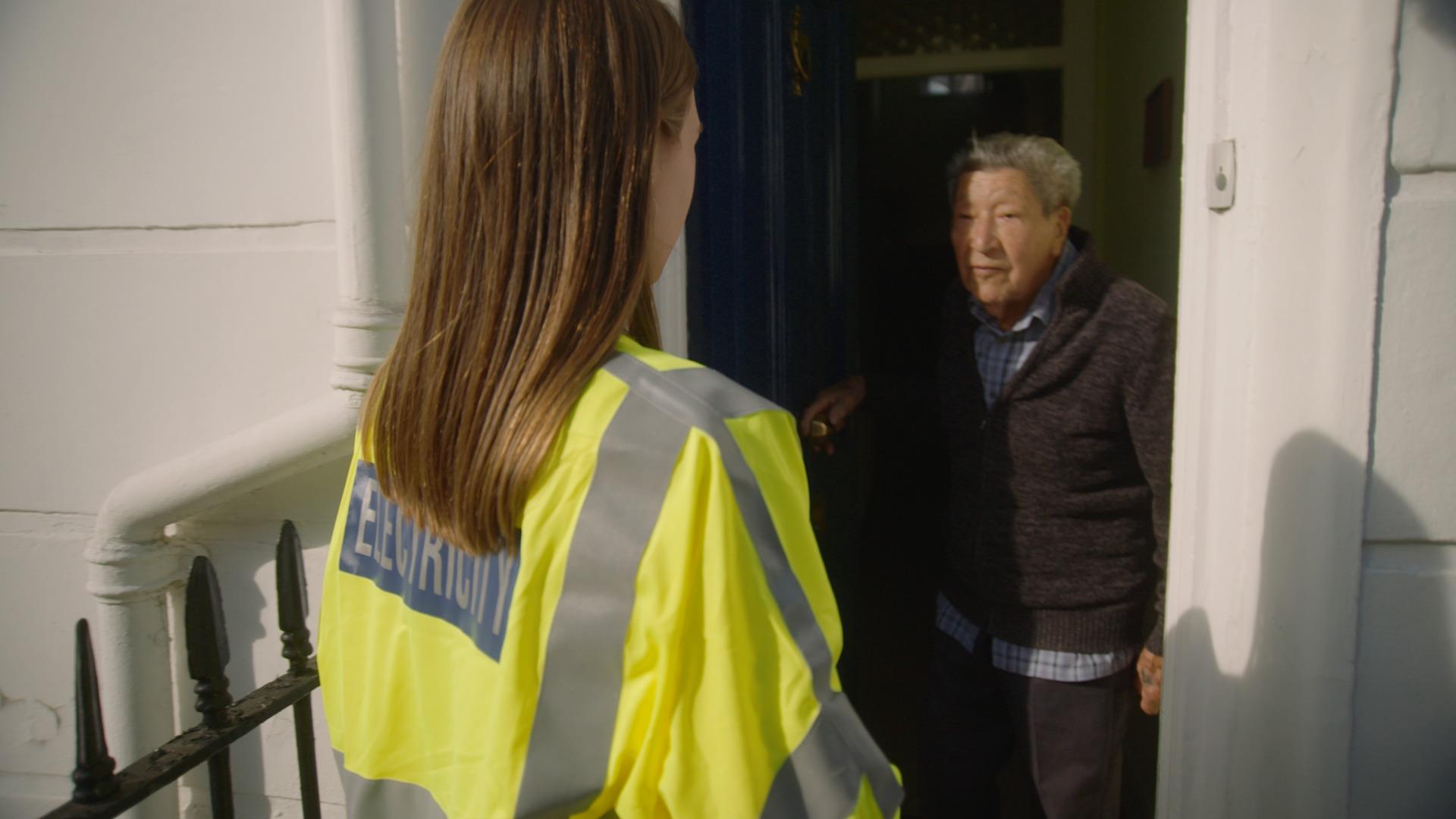
Across the UK, social landlords such as local authorities or housing associations, are undertaking large-scale energy efficiency retrofits, such as insulation upgrades and smart heating systems. This will help reduce energy consumption and improve the comfort of residents’ homes.
Flex Direct, an innovative new project, builds on this momentum by introducing a way to use retrofits to provide flexibility to the energy network, bringing in additional income that could benefit both landlords and residents.
Flex Direct aims to open up the energy flexibility market to social housing landlords. This new commercial model incentivises social landlords to reduce their properties’ energy use during peak times — helping to balance the local electricity grid at the same time as reducing overall costs.
The project has been undertaken in partnership with LCP Delta, Sia Partners, Centre for Sustainable Energy and Utilita Energy to develop and demonstrate a new way of delivering flexibility through retrofit measures that reduce peak electricity demand.
For the first time, social landlords will be able to access flexibility payments without relying on readings from energy meters. This innovative approach is particularly vital for vulnerable tenants, who are less likely to have a smart meter.
Flex Direct was co-developed through a collaborative process with social landlords, UK Power Networks’ Distribution System Operator (DSO), and flexibility aggregators. Together, the team helped shape the project by looking at alignment with existing retrofit funding processes, refining the business model and figuring out how to provide reliable aggregate estimates of energy savings during peak times. That was one of the main goals of the project as most existing methods rely on smart meter data that records energy use every 30 minutes, but this kind of data is rarely available in social housing.
Instead of tracking energy use directly, landlords could receive a standard payment based on the type of energy efficiency measure they’ve installed. Methods have been developed to help social landlords calculate how much peak energy reduction they can offer, and therefore the payments they would be eligible for.
All 34 workshop participants expressed interest in the Flex Direct concept, which included 25 local authorities and nine social housing providers. Several participants were planning to install solar panels and batteries, and were keen to explore whether the proposal could be expanded to include these low carbon technologies as well.
Flex Direct is funded by the Strategic Innovation Fund, an Ofgem programme in partnership with Innovate UK. Having successfully completed the project’s initial phase, the team plans to develop a ‘Beta’ trial. This will include identifying trial sites with social landlords, continued refinement of the proposed framework and developing a trial to test the proposal.
Luca Grella, head of innovation at UK Power Networks said: “Flex Direct represents a real step forward in making energy flexibility accessible and inclusive. Social landlords play a vital role in supporting some of the country’s most vulnerable residents, and this project is about ensuring they can also benefit from the shift to a smarter, more flexible energy system.”
Charlotte Johnson, director of research and analysis at the Centre for Sustainable Energy said: “Flex Direct creates a real opportunity to make the low carbon transition work for households in vulnerable circumstances. CSE champions fairer flexibility markets and it has been really positive to bring social housing providers into this innovation project and explore real world solutions.
“Our ambition is high, bringing retrofit into DSO markets, but we've seen how UK Power Networks are committed to making this innovative approach a reality. The DSO team has been proactive in aligning their existing engagement process with this project and the markets team has listened to housing providers and adapted participation requirements- all of which takes us a step closer to a smart energy system that is fair and inclusive.”
Published 22/05/2025