Retrofitted homes could unlock more than energy savings
Improving home comforts could mean lower costs for customers, as new innovation seeks to unlock hidden value across the energy system.
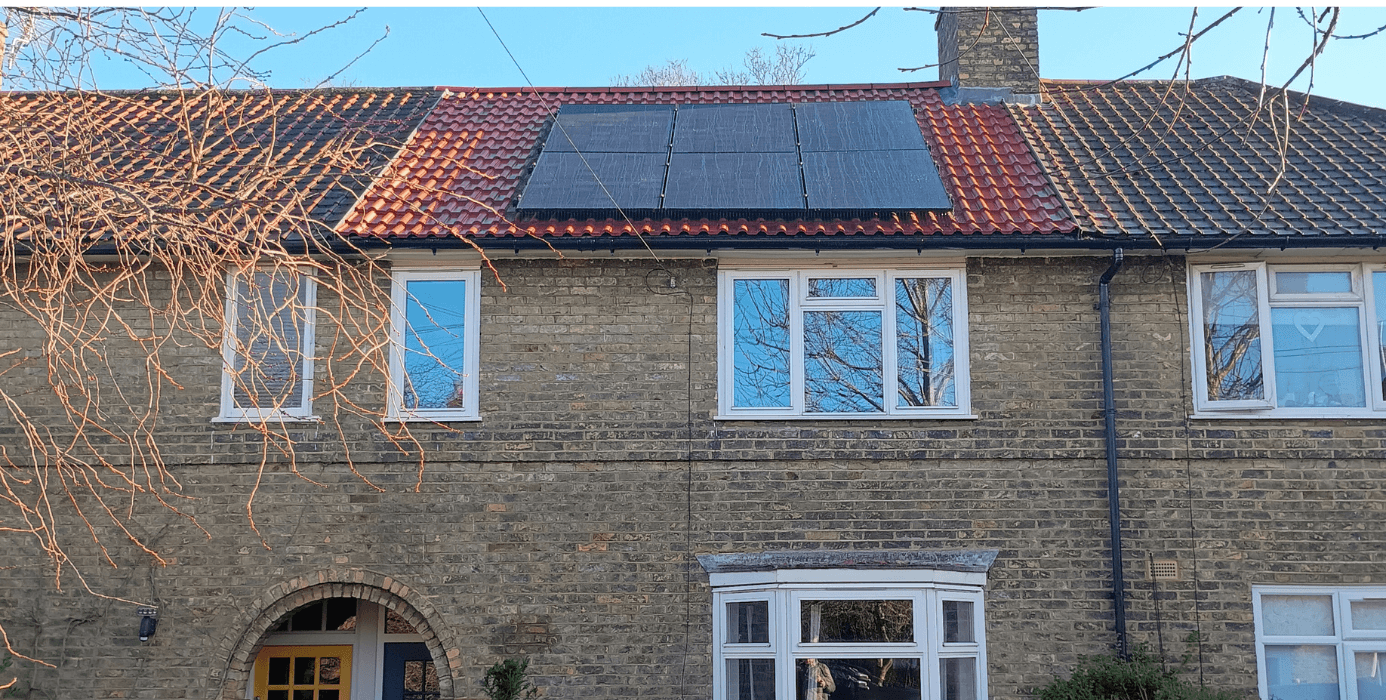
Across the UK, many homes particularly in social housing, are being upgraded to be warmer, greener and cheaper to run. These improvements can include better insulation to keep heat in and solar panels to generate electricity, all helping households use less energy.
But there’s a hidden benefit too. By changing how and when energy is used in homes, customers’ can help manage the electricity grid, particularly during periods of high demand. This is known as energy flexibility, creating additional value that remains largely underused.
Project SNUG (Smarter Network UpGrades) is bringing together expertise from across the housing, energy and network sectors to create a new avenue for social housing to unlock energy flexibility.
Building on earlier stages and findings of the project, the new phase will deliver a trial across up to 300 homes across Norwich, and Hammersmith & Fulham, where energy efficiency measures and clean technologies will be installed and monitored. SNUG will assess how these upgrades affect energy use and peak demand.
This data will be compared with existing modelling to validate how much flexibility can be reliably achieved. The findings will help energy networks and housing providers better understand and plan the role homes can play in supporting the wider energy system, reducing the need for grid upgrades by unlocking the flexibility created through low carbon retrofits.
Alongside the trials, the project team is working closely with social housing providers to gain insight into customers’ understanding of flexibility, the barriers organisations face and the support needed to enable wider participation. A new online toolkit will be developed to help landlords engage with this specific flexibility product.
Luca Grella, head of innovation at UK Power Networks, said: “Project SNUG is about making the most of improvements already happening in people’s homes. By helping households transition to greener and more energy efficient homes, we can improve everyday comfort while also learning how these changes impact the network. The insights we’re gathering are crucial, they will help us understand how upgrades in social housing can reduce demand at peak times and support a smarter, more efficient energy system that works for everyone.”
Jim Cunningham, strategic lead for net zero housing at Hammersmith & Fulham Council, said: “We are excited to participate in SNUG, which will help our residents fully benefit from our energy efficient upgrades to their homes. This pilot will give us valuable insights about the impact of our retrofit programme and enable all social housing providers to participate in flexibility markets.”
Project Snug is being delivered in collaboration with Northern Powergrid, Sia Partners, the Centre for Sustainable Energy and the University of Strathclyde’s Power Networks Demonstration Centre, alongside local authorities and suppliers such as Norwich City Council, the London Borough of Hammersmith & Fulham, E.ON Next and Utilita.
Published: 21/07/2026
Back to news
Across the UK, many homes particularly in social housing, are being upgraded to be warmer, greener and cheaper to run. These improvements can include better insulation to keep heat in and solar panels to generate electricity, all helping households use less energy.
But there’s a hidden benefit too. By changing how and when energy is used in homes, customers’ can help manage the electricity grid, particularly during periods of high demand. This is known as energy flexibility, creating additional value that remains largely underused.
Project SNUG (Smarter Network UpGrades) is bringing together expertise from across the housing, energy and network sectors to create a new avenue for social housing to unlock energy flexibility.
Building on earlier stages and findings of the project, the new phase will deliver a trial across up to 300 homes across Norwich, and Hammersmith & Fulham, where energy efficiency measures and clean technologies will be installed and monitored. SNUG will assess how these upgrades affect energy use and peak demand.
This data will be compared with existing modelling to validate how much flexibility can be reliably achieved. The findings will help energy networks and housing providers better understand and plan the role homes can play in supporting the wider energy system, reducing the need for grid upgrades by unlocking the flexibility created through low carbon retrofits.
Alongside the trials, the project team is working closely with social housing providers to gain insight into customers’ understanding of flexibility, the barriers organisations face and the support needed to enable wider participation. A new online toolkit will be developed to help landlords engage with this specific flexibility product.
Luca Grella, head of innovation at UK Power Networks, said: “Project SNUG is about making the most of improvements already happening in people’s homes. By helping households transition to greener and more energy efficient homes, we can improve everyday comfort while also learning how these changes impact the network. The insights we’re gathering are crucial, they will help us understand how upgrades in social housing can reduce demand at peak times and support a smarter, more efficient energy system that works for everyone.”
Jim Cunningham, strategic lead for net zero housing at Hammersmith & Fulham Council, said: “We are excited to participate in SNUG, which will help our residents fully benefit from our energy efficient upgrades to their homes. This pilot will give us valuable insights about the impact of our retrofit programme and enable all social housing providers to participate in flexibility markets.”
Project Snug is being delivered in collaboration with Northern Powergrid, Sia Partners, the Centre for Sustainable Energy and the University of Strathclyde’s Power Networks Demonstration Centre, alongside local authorities and suppliers such as Norwich City Council, the London Borough of Hammersmith & Fulham, E.ON Next and Utilita.
Published: 21/07/2026
Back to news